


This AP World History: Modern lesson covers AP World Unit 9: Globalization, part of the unit “AP World units.” First, read the full lesson with its primary sources, maps and key terms. Then practice with the worksheet, check yourself with the quiz and get ready with the test.
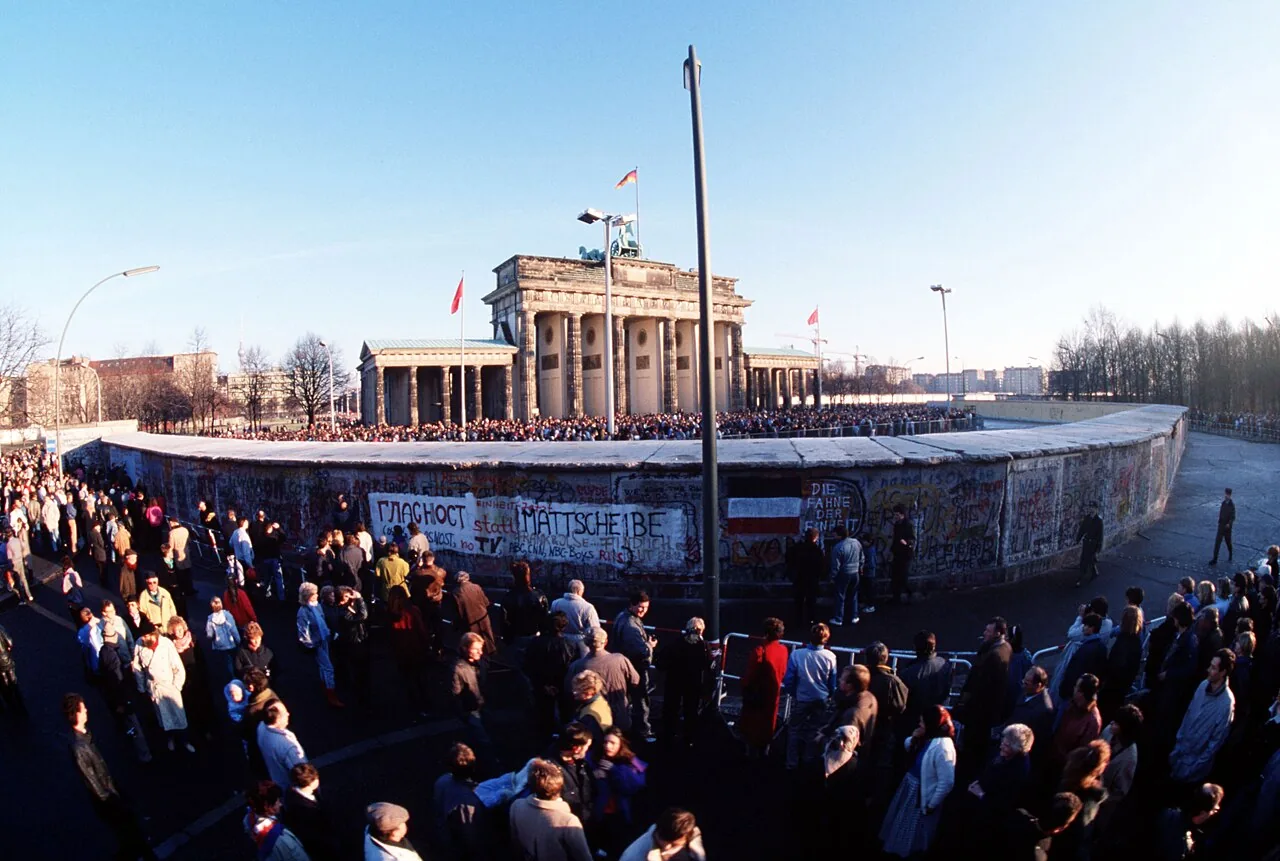
On June 12, 1987, President Ronald Reagan stood in front of the Brandenburg Gate in West Berlin, only a few yards from a concrete wall that divided the city. He called on the Soviet leader to open it. Two and a half years later, on the night of November 9, 1989, crowds of East Berliners poured through checkpoints. Soon people were chipping pieces from the Wall itself. By December 1991, the Soviet Union had ceased to exist. The end of the Cold War opened a world with one superpower and, increasingly, one global market, joined by container ships, satellites, and the internet. It also produced new conflicts, new inequalities, and new questions about the future of the planet.
Guiding question: How have new technologies, institutions, and ideas connected the world since 1900, and what conflicts and problems has globalization produced?
This unit follows the College Board framework for Unit 9, Globalization, c. 1900 to the present. Its key concepts are the end of the Cold War, advances in science and technology, the growth of a global economy, new calls for human rights and reform, the environment, and the rise of new forms of conflict, including terrorism. Practice the skills of continuity and change, causation, and comparison.
1. The end of the Cold War and a new order
Why the Soviet system collapsed
By the 1980s, the Soviet economy was stagnating. Centralized planning produced shortages, the military consumed a huge share of resources, the war in Afghanistan (from 1979) was costly and unpopular. Soviet citizens knew from radio and travelers that people in the West lived better. In 1985, Mikhail Gorbachev became general secretary of the Communist Party and began two reforms: glasnost (openness) and perestroika (restructuring). He hoped to save the system, but freer speech and elections unleashed nationalism and criticism he could not control. At the same time the United States under Reagan increased defense spending and the two leaders began to negotiate. In 1987 they signed a treaty eliminating a class of nuclear missiles in Europe.
Definition: Glasnost and perestroika
the two reform policies of Mikhail Gorbachev: glasnost (openness) allowed public criticism and a freer press, and perestroika (restructuring) tried to make the Soviet economy more efficient with limited market methods.
Document 1 – Reagan at the Brandenburg Gate
Today I say: As long as this gate is closed, as long as this scar of a wall is permitted to stand, it is not the German question alone that remains open, but the question of freedom for all mankind. […] General Secretary Gorbachev, if you seek peace, if you seek prosperity for the Soviet Union and Eastern Europe, if you seek liberalization: Come here to this gate! Mr. Gorbachev, open this gate! Mr. Gorbachev, tear down this wall!
Source: President Ronald Reagan, remarks at the Brandenburg Gate, West Berlin, June 12, 1987; Ronald Reagan Presidential Library and Museum.
*Liberalization: reform toward more freedom.
Reagan’s demand did not by itself bring down the Wall. It was an expression of a view widely held in the West that the Soviet system could not meet its citizens’ needs. The decisive events came from within the Soviet bloc itself.
The revolutions of 1989 and 1991
In 1989, communist governments fell one after another in eastern Europe. In Poland, the trade union Solidarity, led by Lech Walesa, won partly free elections in June. Hungary opened its border with Austria. In East Germany, mass protests and flight to the West forced the government to open the Berlin Wall on November 9. Czechoslovakia’s “Velvet Revolution” followed in November and December, and in Romania the dictator Nicolae Ceausescu was overthrown and executed in December. Germany was reunified on October 3, 1990. In China, in contrast, the government crushed the student-led protests in Tiananmen Square in Beijing on June 3-4, 1989, and kept its one-party rule.
Inside the Soviet Union, the Baltic republics, Ukraine, Georgia, and others demanded independence. In August 1991, hard-line officials attempted a coup against Gorbachev, which failed, and Boris Yeltsin, president of the Russian republic, emerged as the leading figure. On December 25, 1991, Gorbachev resigned, and the Soviet Union dissolved into fifteen independent states. Yugoslavia broke apart in 1991 and 1992. Wars in Croatia and Bosnia, including the massacre of more than 8,000 Bosniak men and boys at Srebrenica in July 1995, were the worst violence in Europe since 1945.
Definition: Globalization
the growing connection of the world’s economies, cultures, and peoples through trade, investment, migration, communication, and technology, which accelerated greatly in the late twentieth century.
2. Technology and the global economy
New technologies
Science changed life in the twentieth century. The Green Revolution of the 1940s to 1960s, led by scientists such as Norman Borlaug, introduced high-yield wheat and rice and used fertilizers and irrigation. It helped India and Mexico avoid mass hunger, although it favored larger farmers and raised environmental costs. Antibiotics, vaccines, and public health campaigns cut death rates. Smallpox, a disease that had killed millions, was declared eradicated by the World Health Organization in 1980. But disease also moved faster in a connected world. The influenza pandemic of 1918-1919 killed tens of millions of people. The HIV/AIDS epidemic began in 1981, and the COVID-19 pandemic spread to every continent in 2020.
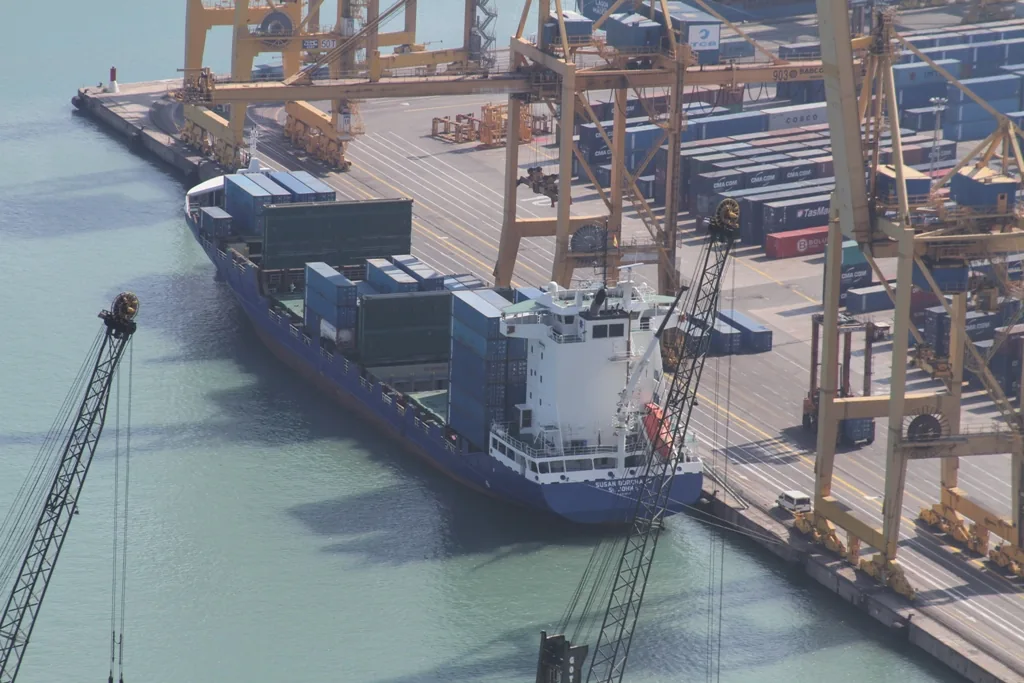
The most visible changes were in transport and communication. Jet airliners shrank distances after the 1950s. The standard shipping container, introduced commercially in 1956, cut the cost and time of moving goods between ships, trains, and trucks. It also made it cheaper to make products far from where they were sold. Satellites, computers, and fiber-optic cables allowed instant communication. The World Wide Web, invented at CERN in 1989 and 1990 by Tim Berners-Lee, and the smartphone made the internet a daily tool for billions of people.
Institutions and free trade
After the Second World War, the United States and its allies built institutions to manage the world economy. They included the International Monetary Fund and the World Bank (1944), and the General Agreement on Tariffs and Trade (1947), which became the World Trade Organization (WTO) in 1995. Western Europe moved toward union: the European Economic Community (1957) became the European Union in 1993. A common currency, the euro, began in 1999. The North American Free Trade Agreement (NAFTA) took effect in 1994. Oil-producing states formed the Organization of the Petroleum Exporting Countries (OPEC) in 1960. Its embargo in 1973 showed how a single resource could shake the world economy.
Definition: Free trade
trade between countries with few or no tariffs, quotas, or other barriers. Supporters argue that it raises output and lowers prices; critics argue that it can cost jobs in some regions, lower wages, and hurt the environment.
The rise of China and new economic powers
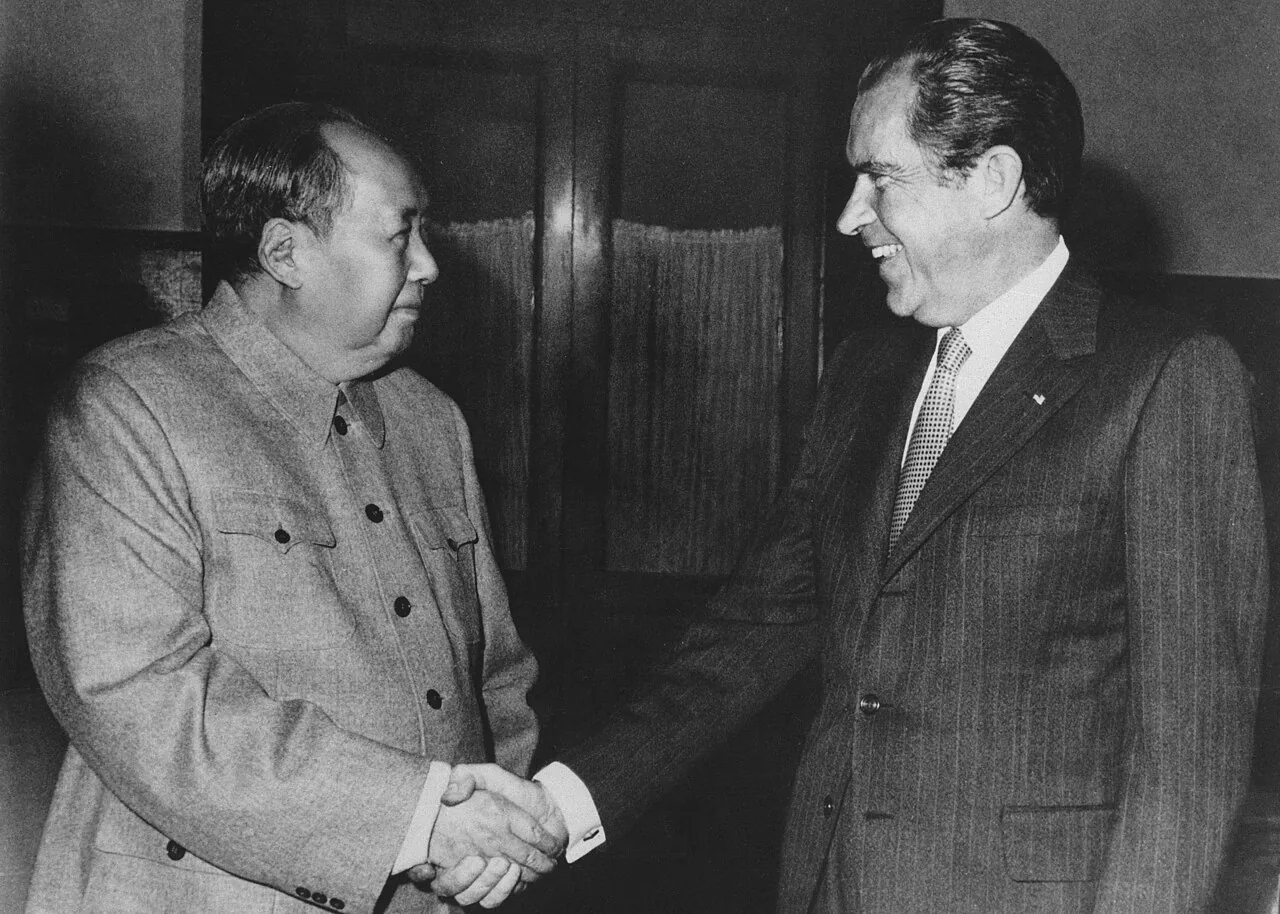
China’s turn is the most dramatic example. After Mao’s death in 1976, Deng Xiaoping began reforms from 1978 that allowed farmers to sell their crops. He also created special economic zones such as Shenzhen to attract foreign investment, and kept Communist Party rule. President Nixon’s visit in 1972 had opened relations with the United States. In the following decades China became the “workshop of the world.” It joined the WTO in December 2001 after a long debate in the United States over whether to grant it permanent normal trade relations.
Document 2 – An American president defends trade with China
In the new century, liberty will spread by cell phone and cable modem. In the past year, the number of Internet addresses in China has more than quadrupled from 2 million to 9 million. This year, the number is expected to grow to over 20 million. When China joins the WTO, by 2005, it will eliminate tariffs on information technology products, making the tools of communication even cheaper, better, and more widely available.
Source: President William J. Clinton, remarks on China trade at the Paul H. Nitze School of Advanced International Studies, Johns Hopkins University, March 8, 2000; Clinton White House archive.
*Cable modem: a device for internet access over a cable line. *Tariffs: taxes on imported goods.
India liberalized its economy in 1991 and became a leader in software and services. Other Asian economies, such as South Korea, Taiwan, Singapore, and later Vietnam, grew by exporting manufactured goods. Globalization lifted large numbers of people out of extreme poverty, especially in Asia. However, it also widened gaps within countries and moved factory jobs away from older industrial regions. The global financial crisis of 2008, which began in the American housing market, spread quickly around the world. It showed how closely banks and markets were linked.
3. Rights, reform, and culture
Human rights and anti-colonial legacies
The experience of two world wars and the Holocaust drove a new emphasis on human rights. The United Nations General Assembly adopted the Universal Declaration of Human Rights on December 10, 1948. A commission chaired by Eleanor Roosevelt had drafted it. The Declaration is not a treaty, but later treaties and national constitutions drew on it.
Document 3 – The Universal Declaration of Human Rights
All human beings are born free and equal in dignity and rights. They are endowed with reason and conscience and should act towards one another in a spirit of brotherhood. […] Everyone is entitled to all the rights and freedoms set forth in this Declaration, without distinction of any kind, such as race, colour, sex, language, religion, political or other opinion, national or social origin, property, birth or other status.
Source: Universal Declaration of Human Rights, adopted by the United Nations General Assembly in Paris, December 10, 1948, articles 1 and 2; United Nations.
*Endowed: provided with. *Jurisdictional: related to legal authority.
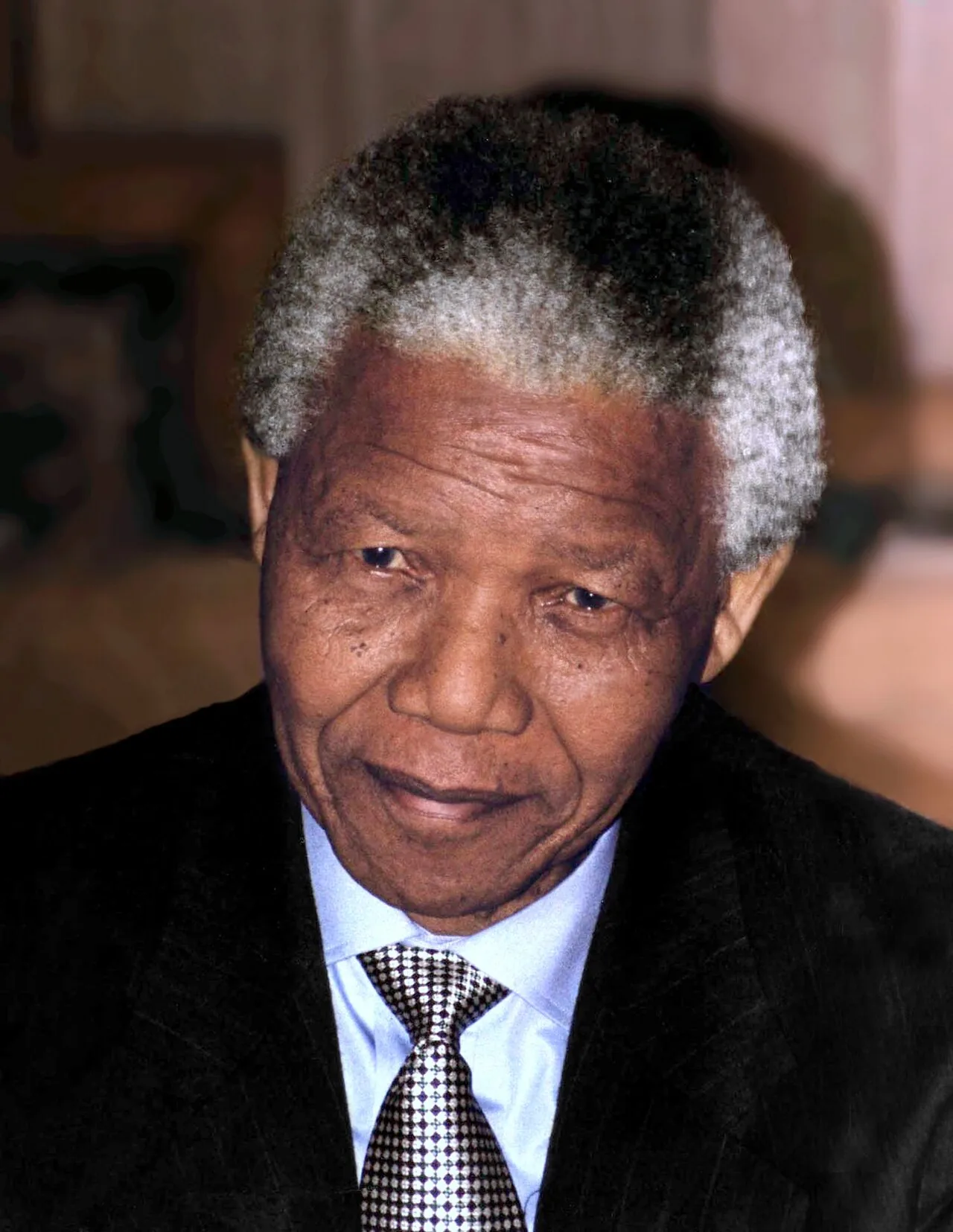
Movements for rights spread. In the United States, the civil rights movement won the Civil Rights Act of 1964. In South Africa, the system of apartheid met growing resistance and international sanctions. Nelson Mandela, imprisoned since 1962, was freed on February 11, 1990, and became president after the first multiracial elections in April 1994. Women’s movements in many countries won the vote, access to education and work, and legal protections. In 1995, a UN conference in Beijing declared that women’s rights are human rights. Indigenous peoples, minorities, and people with disabilities also organized and appealed to international law.
Culture, migration, and resistance
Globalization carried culture across borders: films, music, sports (the soccer World Cup, the Olympic Games), food, and the English language. Migration grew as people moved for work, to escape war, or to join family. Remittances (money sent home) became a major source of income in many countries. Some people welcomed these changes as a source of opportunity, and others feared a loss of local identity or jobs. Protesters met at WTO meetings in Seattle in 1999 to oppose the power of global corporations. Political movements in many countries have called for limits on trade or immigration. In several places, religious and nationalist movements have also sought to defend traditional values against what they see as foreign influence.
4. The environment, terrorism, and unfinished problems
The environment
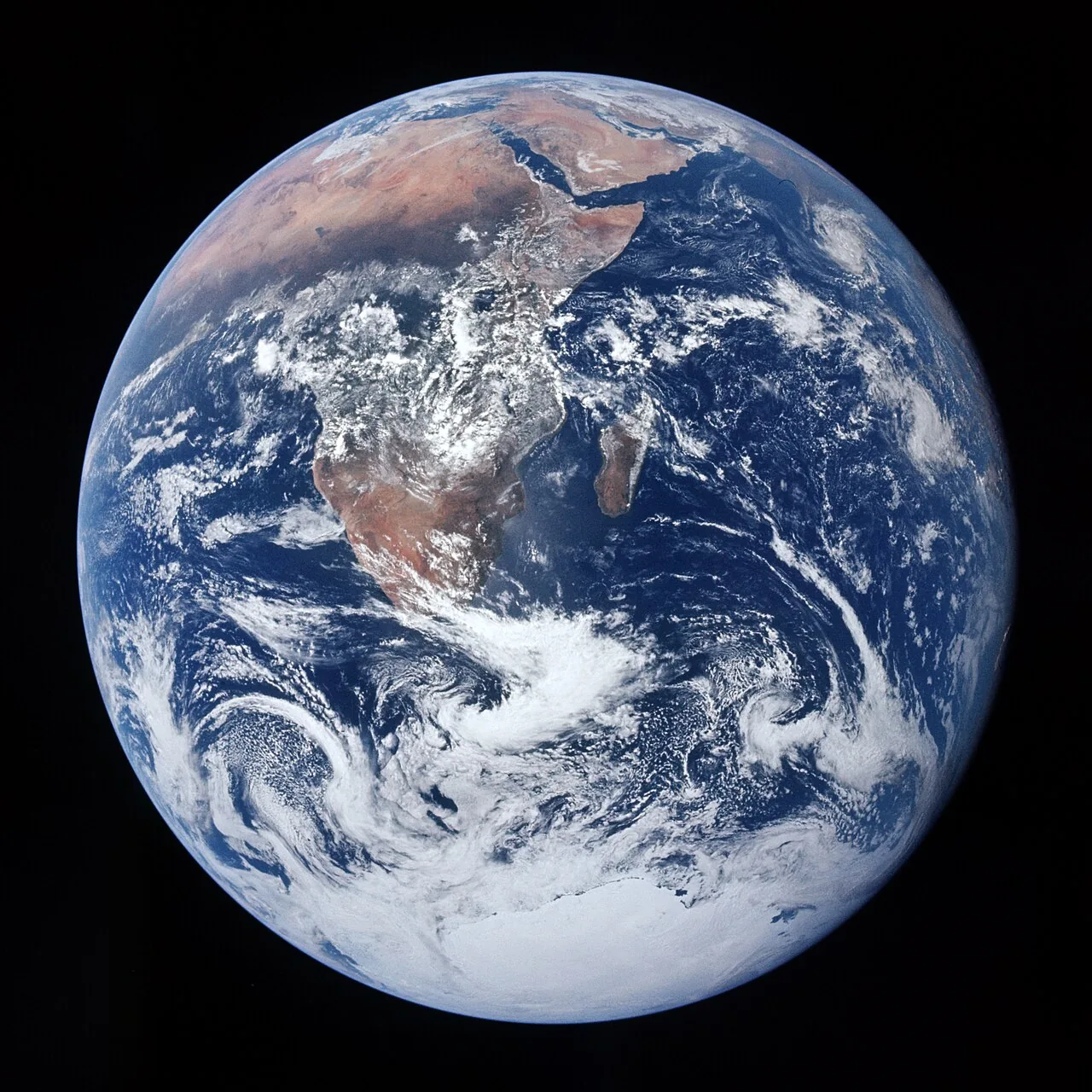
Industrialization, population growth (the world population passed six billion in 1999), and rising consumption put great strain on the environment. Rachel Carson’s Silent Spring (1962) raised alarm about pesticides, and the first Earth Day was held in 1970. The photograph of Earth taken by the Apollo 17 crew in 1972 became a symbol of a shared and fragile planet. Governments met repeatedly to address problems that cross borders.
The Montreal Protocol (1987) limited chemicals that damage the ozone layer. It is widely considered a success. In 1992 the United Nations Conference on Environment and Development at Rio de Janeiro adopted the Rio Declaration. The Kyoto Protocol (1997) and the Paris Agreement (2015) sought to reduce the greenhouse gases that cause climate change. However, countries disagreed over who should bear the costs.
Document 4 – The Rio Declaration
Principle 1 Human beings are at the centre of concerns for sustainable development. They are entitled to a healthy and productive life in harmony with nature. […] Principle 7 States shall cooperate in a spirit of global partnership to conserve, protect and restore the health and integrity of the Earth’s ecosystem. In view of the different contributions to global environmental degradation, States have common but differentiated responsibilities.
Source: Rio Declaration on Environment and Development, adopted at the United Nations Conference on Environment and Development, Rio de Janeiro, June 1992; Convention on Biological Diversity.
*Sustainable development: growth that meets present needs without harming the ability of future generations to meet theirs. *Differentiated: different for different parties.
Terrorism and new conflicts
The end of the Cold War did not bring peace. In 1994 about 500,000 to 800,000 Tutsi and moderate Hutu were killed in the Rwandan genocide in about a hundred days. The world did not intervene. Ethnic wars flared in the Balkans, the Caucasus, and parts of Africa. A new kind of threat, transnational terrorism, grew from conflicts in the Middle East and the Soviet-Afghan war.
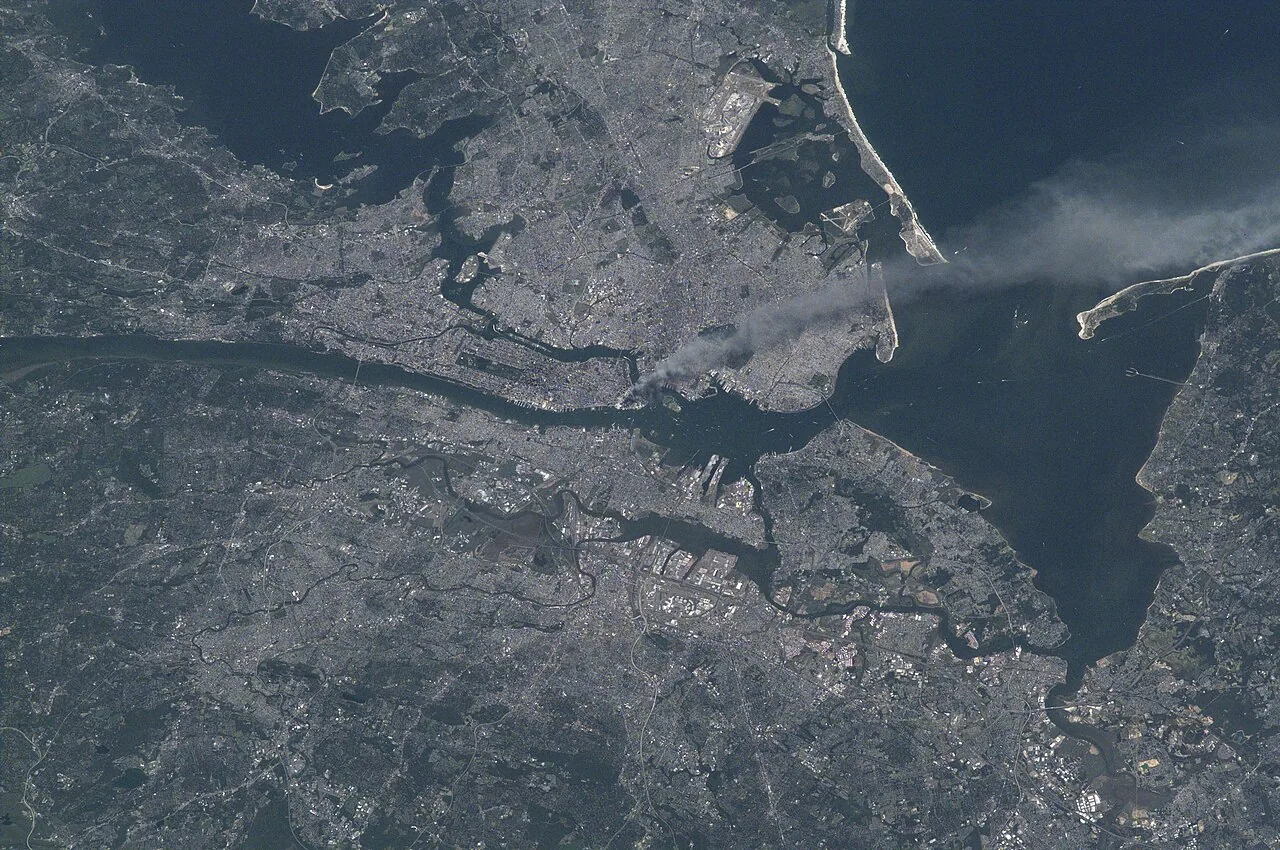
The group al Qaeda, led by Osama bin Laden, attacked American embassies in Kenya and Tanzania in 1998. On September 11, 2001, nineteen hijackers took control of four airliners and crashed two of them into the World Trade Center in New York, one into the Pentagon, and one into a field in Pennsylvania. Nearly 3,000 people died.
Document 5 – President Bush addresses the nation
Tonight we are a country awakened to danger and called to defend freedom. Our grief has turned to anger, and anger to resolution. Whether we bring our enemies to justice, or bring justice to our enemies, justice will be done. […] All of America was touched on the evening of the tragedy to see Republicans and Democrats joined together on the steps of this Capitol, singing “God Bless America.”
Source: President George W. Bush, address to a joint session of Congress and the American people, September 20, 2001; White House archive.
*Resolution: firm determination.
The United States invaded Afghanistan in October 2001 to overthrow the Taliban government that sheltered al Qaeda. In 2003 it invaded Iraq, a decision that remains controversial. Governments around the world increased security and surveillance, and debates continued over how to balance safety and civil liberties. The wars in Afghanistan and Iraq lasted many years and displaced millions of people.
Globalization is thus a story with no single verdict. It has connected people and spread knowledge, medicine, and wealth, and it has also spread disease, pollution, financial shocks, and terrorism. Historians use the same tools of analysis that apply to earlier periods. They ask what changed, what stayed the same, and who benefited and who did not.
- 1944-1947 Bretton Woods institutions and GATT created
- 1948 Universal Declaration of Human Rights
- 1956 First commercial container shipping
- 1972 Nixon visits China; the Blue Marble photograph
- 1978 Deng Xiaoping begins reforms in China
- 1989 Fall of the Berlin Wall; Tiananmen Square; World Wide Web invented
- 1991 Dissolution of the Soviet Union
- 1992 Rio Earth Summit
- 1994 NAFTA; Rwandan genocide; Mandela elected in South Africa
- 2001 September 11 attacks; China joins the WTO
- 2008 Global financial crisis
Key takeaways
- The Soviet system collapsed from economic stagnation, reform, and national movements; communist governments fell in eastern Europe in 1989 and the USSR dissolved in 1991.
- New technologies (Green Revolution, antibiotics, containers, computers, the internet) and institutions (IMF, WTO, EU, NAFTA) connected the world economy.
- China and India joined the global economy and grew rapidly, while inequality and job losses caused debate.
- Human rights and reform movements ended apartheid and expanded women’s and minority rights; the UN Declaration of 1948 gave them a common language.
- Environmental problems, genocide, and terrorism showed the limits of globalization and the need for international cooperation.

Quick review: flashcards
Tap a card to see the answer.